
By Raymond Ken-Mbata
28th August 2026
The Federal Government has launched the Nigeria Alcohol Policy and its Multisectoral Implementation Plan (2026–2030), aimed at reducing alcohol-related harm while promoting responsible industry growth, job creation and economic development.
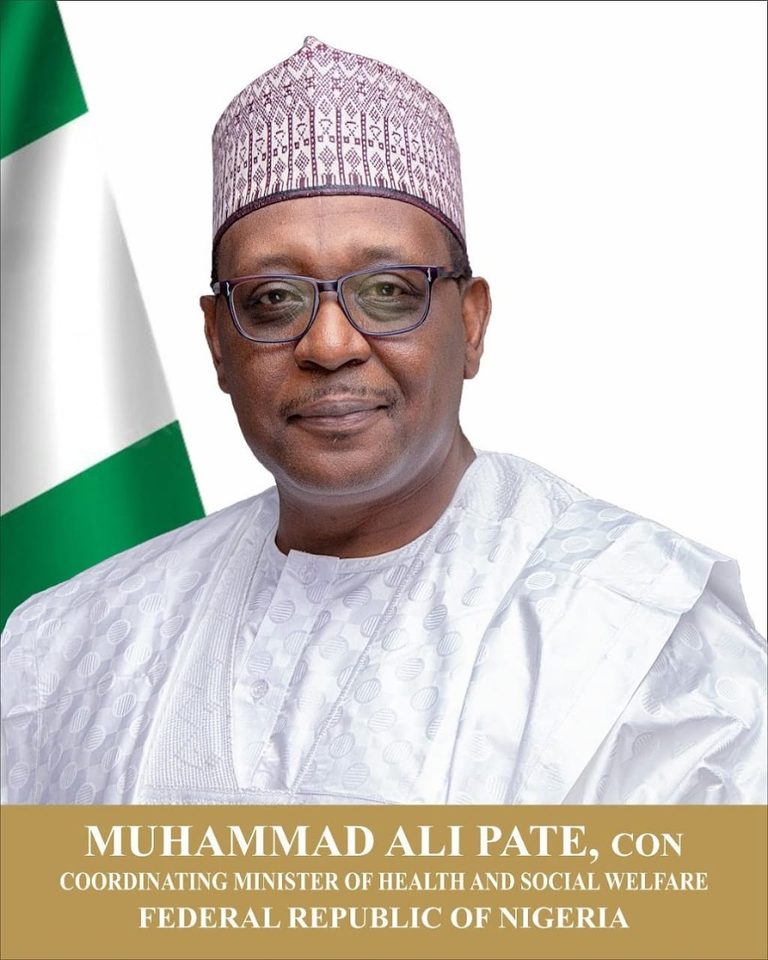
The Coordinating Minister of Health and Social Welfare, Prof. Muhammad Ali Pate, who was represented by the Permanent Secretary of the Ministry, Daju Kachollom S. mni, said alcohol policy should be treated as a national development issue because of its impact on public health, the economy and social wellbeing. He noted that while the alcohol industry contributes to manufacturing, agriculture, employment and domestic value chains, harmful use of alcohol is linked to diseases, injuries, violence, mental health challenges, financial hardship and loss of productivity.
Pate disclosed that the latest available World Health Organisation data showed that total alcohol consumption in Nigeria stood at 3.2 litres of pure alcohol per person aged 15 years and above in 2024. He also linked harmful alcohol use to road safety, noting that the Federal Road Safety Corps recorded 9,570 road crashes and 5,421 deaths in 2024, with driving under the influence identified as one of the factors contributing to road traffic incidents.
The Minister said the new policy is built around four key areas: harm reduction and health promotion; industrial and economic development; multisectoral coordination and governance; and monitoring, evaluation, accountability, research and learning. He stressed that the government was not seeking to undermine legitimate businesses but wanted an alcohol industry that operates responsibly under clear standards for safety, quality and traceability.
Pate also raised concern over the growth of illicit alcohol, citing industry estimates that about 40 per cent of spirits and wines are illicit or unrecorded, with an estimated annual government revenue loss of more than ₦428 billion. He said tackling illicit trade would help protect public health, government revenue and legitimate businesses, while calling for stronger cooperation among government institutions, regulators, industry, civil society, researchers and communities.
NAFDAC Director-General, Prof. Mojisola Adeyeye, also pledged the agency’s support through science-based regulation, monitoring and surveillance, while announcing that an agreement had been reached with manufacturers to end the production of sachet alcohol.
The Federal Government urged all stakeholders to move from policy to implementation and ensure that the 2030 targets translate into healthier people, safer communities and more responsible industry practices.
About the Author