
By Raymond Ken-Mbata
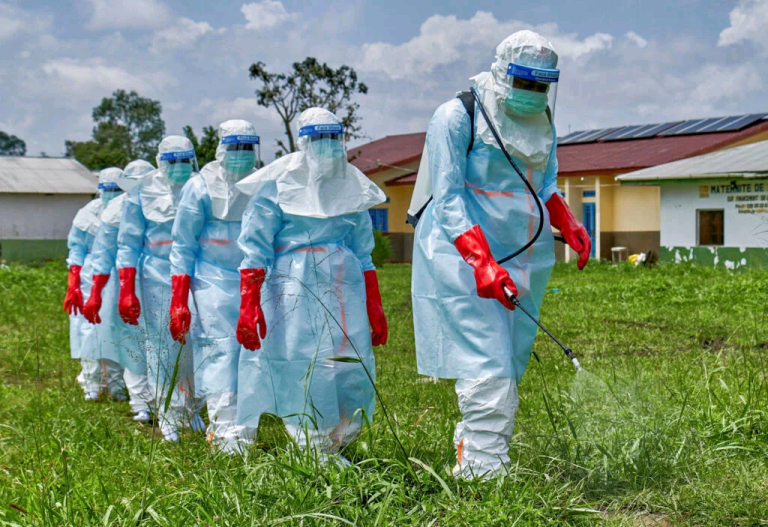
Nigeria has hosted the launch of Africa’s Community Health Programme Continental Acceleration Plan 2026–2030, with a commitment to employ 100,000 salaried community health workers by the end of 2028 as part of efforts to expand access to healthcare across the country.
The initiative, launched in Abuja on October 30, brought together 51 African countries and more than 30 development partners, with a continental target of employing two million community health workers by 2030.
President Bola Ahmed Tinubu, represented by Vice President Kashim Shettima, formally launched the programme. Speaking at the event, Shettima said community health workers remained essential to improving healthcare delivery, particularly in rural and underserved communities. He highlighted their roles in identifying maternal health risks, reaching unvaccinated children, collecting household health information and detecting disease outbreaks. He disclosed that Nigeria would require an estimated 315,000 community health workers by 2030.
To address the shortfall, the Federal Government plans to revitalise more than 17,000 primary healthcare centres, train 120,000 frontline health workers and recruit 100,000 salaried community health workers under the Nigeria Health Sector Renewal Investment Initiative.
Africa CDC noted that the continent would require approximately $4.3 billion annually to achieve the two-million-worker target, adding that every dollar invested could generate up to $19 in economic and social benefits. It also called for stronger domestic financing and sustainable funding arrangements to reduce dependence on external support.
The Minister of State for Health and Social Welfare, Dr. Iziaq Adekunle Salako, commended the initiative, while the Coordinating Minister, Prof. Muhammad Ali Pate, represented by the Permanent Secretary, Daju Kachollom S., mni, reaffirmed the Federal Ministry of Health and Social Welfare’s commitment to strengthening primary healthcare and the community health workforce.
The Ministry said sustained investment, effective partnerships and coordinated implementation would be essential to achieving the programme’s objectives.
About the Author