By Raymond Ken-Mbata
Suspected cyberattacks targeting supermarket refrigeration systems across Europe have raised fresh concerns about food safety and public-health protection after temperature manipulation forced retailers to withdraw potentially unsafe food products from their stores.
The incidents, reported on November 2, 2026, affected food businesses in Belgium, Sweden, Estonia, Finland, Ireland, Luxembourg, the Netherlands and Denmark. Attackers reportedly gained unauthorised access to refrigeration control systems, causing temperatures in some refrigerators and freezers to rise to about 50 degrees Celsius, compromising the preservation of perishable food.
The affected products included chilled and frozen foods, raising concerns about the potential growth of harmful microorganisms when food is exposed to unsafe temperatures. Meat, poultry, seafood, dairy products and other temperature-sensitive foods are particularly vulnerable when their cold-storage conditions are compromised. Such exposure can increase the risk of foodborne illnesses if unsafe products enter the food supply.
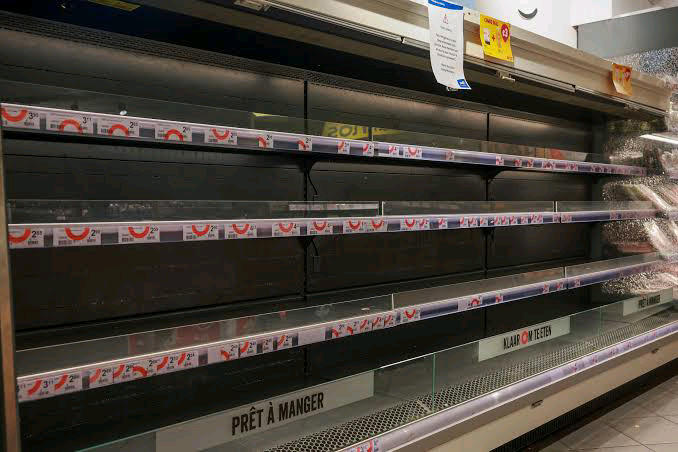
Retailers responded by removing affected products, discarding potentially spoiled stock and inspecting refrigeration equipment before restocking. Ireland’s Musgrave Group, which operates SuperValu supermarkets, confirmed that 13 stores were affected and that chilled and frozen products were withdrawn as a precaution. The company subsequently reported that the incident had been resolved and normal operations were being restored.
The development has highlighted the growing connection between cybersecurity and public health, particularly as supermarkets increasingly depend on internet-connected systems to monitor and control food-storage temperatures. Researchers have also warned that outdated refrigeration equipment and inadequate security arrangements could expose food businesses to similar attacks. Belgian authorities have opened a criminal investigation, although those responsible have not been identified.
Beyond the financial losses suffered by retailers, the incidents demonstrate how cyberattacks can threaten food safety and potentially expose consumers to preventable illnesses. Public-health authorities and food businesses therefore need stronger collaboration to protect food supply chains, improve temperature monitoring, strengthen cybersecurity and ensure that products exposed to unsafe storage conditions are not sold to unsuspecting consumers.
About the Author