By Raymond Ken-Mbata
Nigeria has called for stronger global cooperation, sustainable financing and equitable access to medical resources to improve pandemic prevention, preparedness and response, stressing that resilient public health systems remain essential to protecting lives during health emergencies.
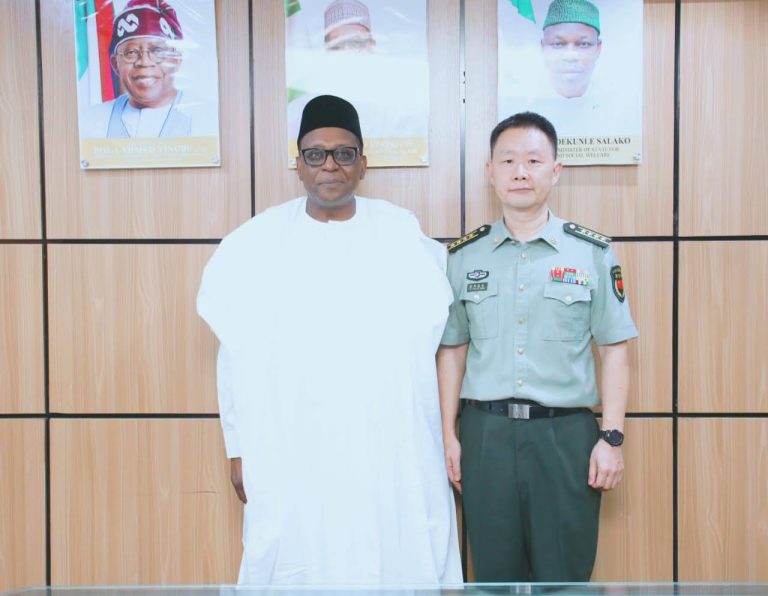
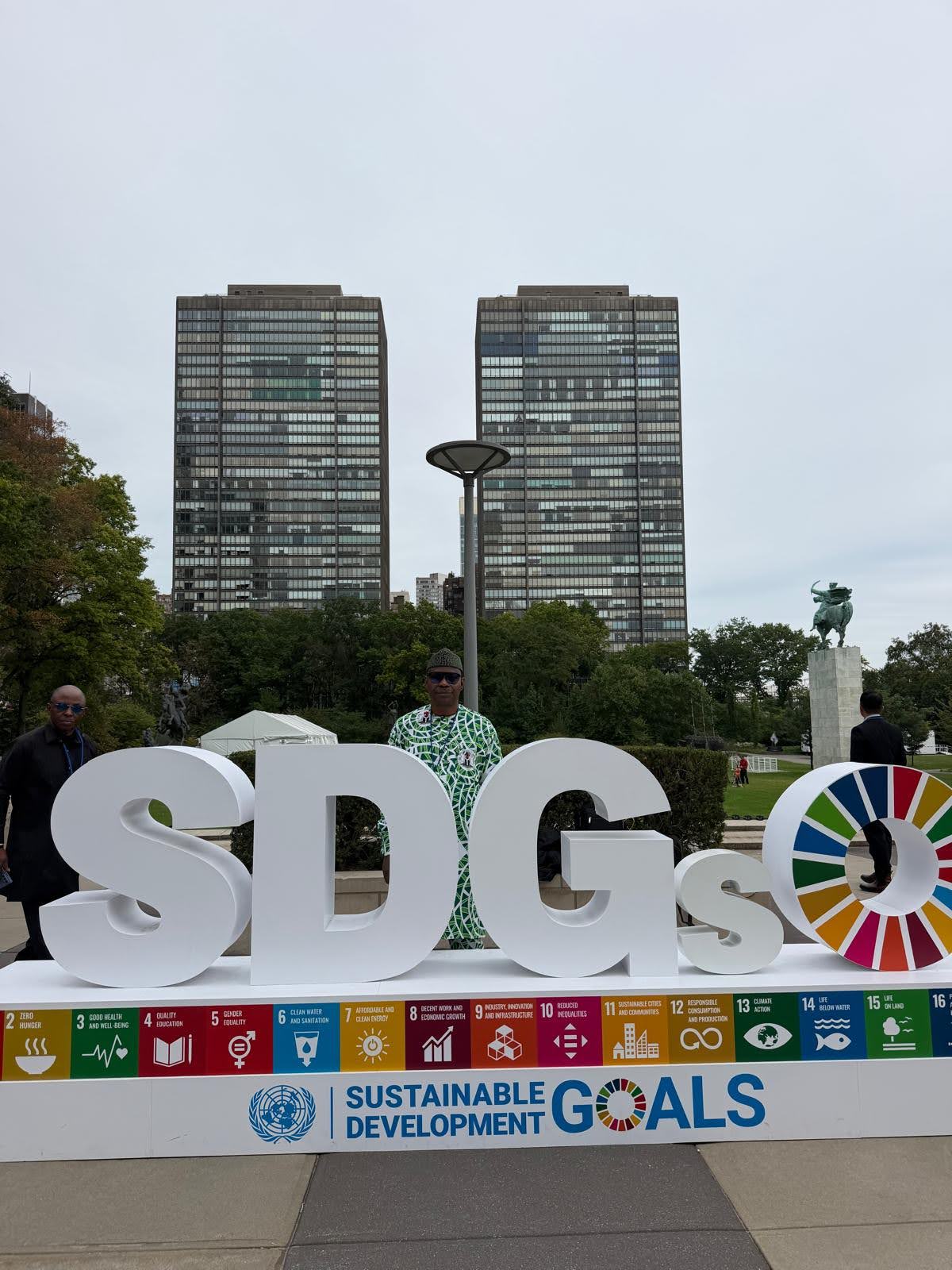
The Minister of State for Health and Social Welfare, Dr. Iziaq Adekunle Salako, made the call while delivering Nigeria’s national statement on behalf of President Bola Ahmed Tinubu at a high-level meeting on Pandemic Prevention, Preparedness and Response, held on the sidelines of the 81st United Nations General Assembly at the United Nations Headquarters in New York on September 26, 2026.
Salako said effective pandemic preparedness must begin with strong everyday public health systems capable of preventing, detecting and controlling infectious diseases before they escalate into emergencies.
He stressed that prevention, early detection and rapid response were critical to protecting communities and maintaining essential health services during outbreaks.
Highlighting Nigeria’s progress, the minister said the country had strengthened its legal and institutional frameworks, expanded nationwide digital disease surveillance, adopted the 7-1-7 approach to outbreak detection and response, enhanced genomic sequencing capacity and improved preparedness for multiple public health hazards.
He noted that Nigeria’s public health laboratory network now covers all 36 states, while Public Health Emergency Operations Centres support coordinated responses to outbreaks of Lassa fever, cholera, diphtheria and meningitis.
According to him, Nigeria’s Joint External Evaluation score improved from 39 per cent in 2017 to 54 per cent in 2023, reflecting progress in the country’s health security capacities.
The minister also highlighted ongoing efforts to strengthen the One Health approach, antimicrobial resistance governance, infection prevention and control programmes, and emergency workforce capacity at national and subnational levels.
He said the $250 million World Bank Health Security Programme was supporting efforts to improve health security capacities at federal and state levels through a One Health framework.
Outlining Nigeria’s priorities, Salako identified stronger national ownership, improved governance and legal preparedness, greater emphasis on prevention, integrated and resilient health systems, equitable access to financing and medical products, and deeper regional and international cooperation as essential pillars of pandemic preparedness.
He further called for fairness in the global pandemic preparedness framework, arguing that access to pathogens must be matched by transparent, timely and predictable benefit-sharing arrangements that guarantee access to vaccines, diagnostics and therapeutics.
Salako also advocated sustainable financing for low- and middle-income countries, alongside technology transfer and increased domestic manufacturing capacity, particularly in Africa, to reduce dependence on external supplies during health emergencies.
The minister urged the international community to adopt a comprehensive approach to pandemic preparedness that also recognises the continuing burden of tuberculosis, malaria and HIV, calling for adequate financing to sustain programmes addressing these diseases.
He equally emphasised the need to integrate antimicrobial resistance into the global pandemic preparedness agenda, describing it as an existing public health threat that could increase the risks associated with future pandemics.
Salako announced that Nigeria would host the fifth Global High-Level Ministerial Conference on Antimicrobial Resistance in December 2026, marking the first time the conference would take place in Africa.
He said the meeting would provide an opportunity to accelerate measurable action under the One Health approach and advance the priorities of low- and middle-income countries.
The minister also underscored the importance of community participation in pandemic preparedness, noting that public trust and cooperation must be built before emergencies occur.
He called for sustained investment in risk communication and community engagement, social listening, community hygiene and measures to address the spread of misleading health information during and between emergencies.
Reaffirming Nigeria’s commitment to strengthening national and regional capacities to prevent, detect and respond to public health threats, Salako called for a global pandemic preparedness system that is equitable, sustainable, accountable and responsive to countries’ national priorities.
He stressed that national ownership and international solidarity must advance together to ensure that countries are better equipped to prevent future pandemics and protect their populations.
About the Author