By Raymond Ken-Mbata
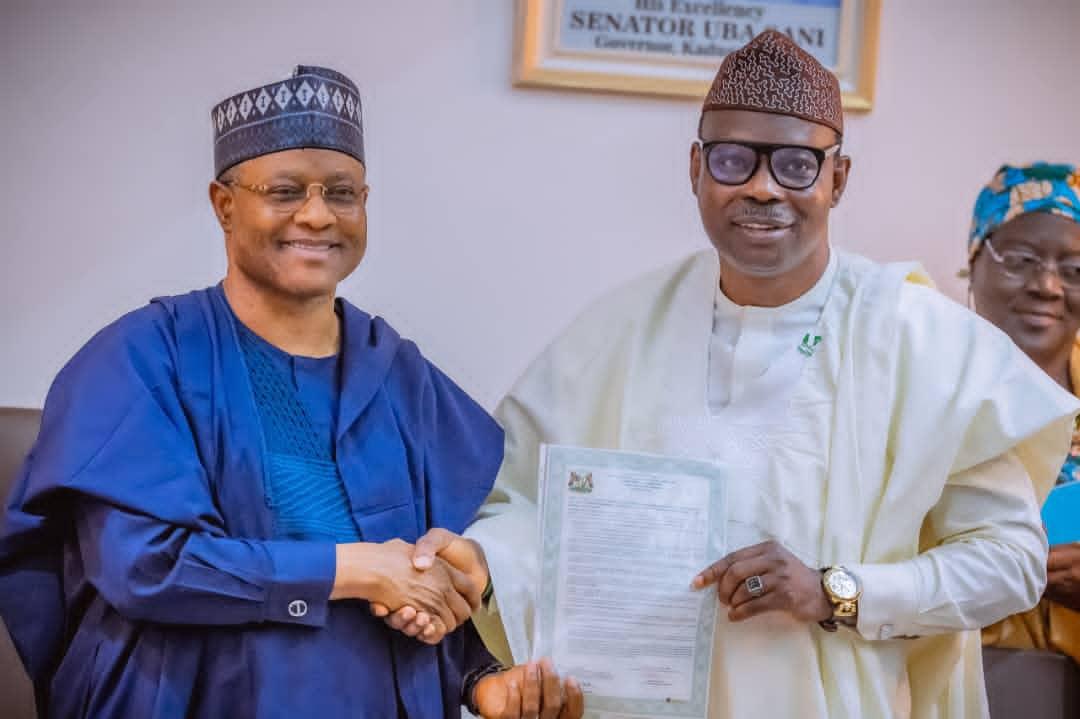
The Federal Government and the Kaduna State Government have signed a Memorandum of Understanding to convert Sir Patrick Ibrahim Yakowa Memorial Hospital in Kafanchan into a Federal Medical Centre, a move expected to expand access to specialist healthcare in Southern Kaduna.
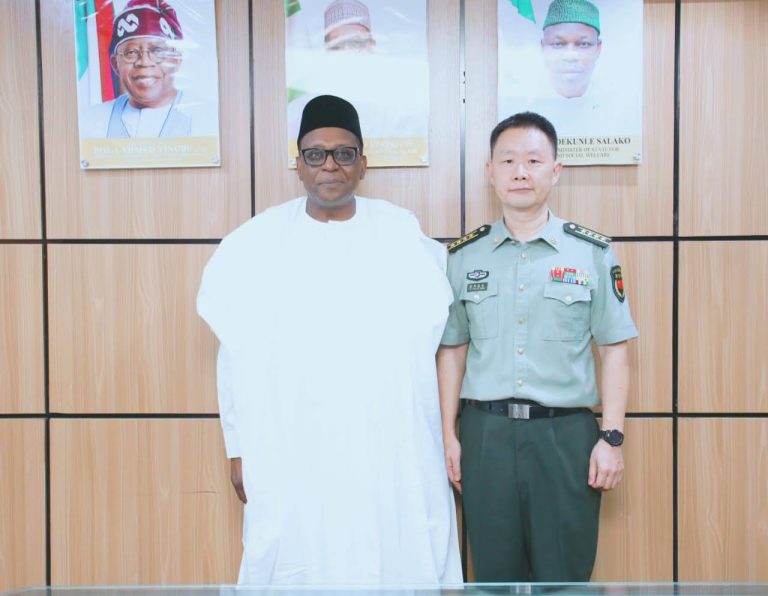
The agreement was signed on October 15, 2026, at the Kaduna State Liaison Office in Abuja, with the Minister of State for Health and Social Welfare, Dr. Iziaq Adekunle Salako, describing the development as a step towards bringing advanced medical services closer to underserved communities.
Salako said the proposed Federal Medical Centre would address longstanding demands for improved tertiary healthcare in Jema’a Local Government Area and the wider Southern Kaduna region, where patients may face additional transport, accommodation and financial costs when seeking specialist treatment elsewhere.
He said the Federal Ministry of Health and Social Welfare would work with the state government to upgrade the hospital’s infrastructure and diagnostic capacity, provide specialised personnel and modern equipment, and facilitate a smooth transition for existing healthcare workers interested in continuing at the facility.
The minister added that the centre could also develop into a regional hub for medical training, research and specialised clinical services.
He commended the Kaduna State Government, led by Governor Uba Sani, for investments in the health sector, including the upgrade of 255 primary healthcare centres to Level 2 status, the establishment of 23 primary healthcare centres of excellence, the commissioning of a 300-bed specialist hospital and the revitalisation of 19 general hospitals.
Salako also highlighted the state’s expansion of health insurance coverage and establishment of neonatal care corners in rural and underserved communities.
He said the Federal Government had established 16 additional federal tertiary health institutions during the first 42 months of President Bola Ahmed Tinubu’s administration as part of efforts to improve access to specialist services beyond major metropolitan centres.
In his remarks, Governor Uba Sani said the agreement reflected a shared commitment by the two levels of government to making public health institutions more responsive to the needs of citizens.
He noted that patients requiring specialised treatment often face expenses beyond the cost of medical care, including transportation, accommodation, lost income and the emotional strain of travelling long distances while managing illness.
The governor said converting the Kafanchan hospital into a Federal Medical Centre would create an opportunity to improve diagnostic and treatment services in the region, provided the facility received the necessary infrastructure, equipment and institutional support.
The Permanent Secretary of the Federal Ministry of Health and Social Welfare, Daju Kachollom S., mni, represented at the event by a ministry official, said the initiative aligned with the Renewed Hope Agenda and the Nigeria Health Sector Renewal Investment Initiative.
She commended the Kaduna State Government and the state House of Assembly for their contributions to the process, adding that assessment, infrastructure upgrades and other necessary arrangements would be required to bring the facility up to federal standards and prepare it for service delivery.
Former Chief of Army Staff, General Martins Luther Agwai, speaking on behalf of Southern Kaduna elders, welcomed the agreement and urged stakeholders to work together to promote healthcare and socioeconomic development in the region.
Senator Sunday Katung Mashal, who represents Kaduna South Senatorial District, also described the proposed centre as an important development for healthcare delivery. He called for adequate infrastructure, modern equipment and the retention of qualified medical personnel.
The agreement establishes a framework for federal-state cooperation in transforming the Kafanchan facility. Its practical impact will depend on the completion of the required transition arrangements, investment in infrastructure and equipment, and the deployment of staff needed to provide reliable specialist services to communities across Southern Kaduna.
About the Author