By Raymond Ken-Mbata
ABUJA – The Federal Government has launched a five-year strategic plan to eliminate lead poisoning in Nigeria, with a focus on preventing exposure, strengthening surveillance and enforcing safety regulations across the country.
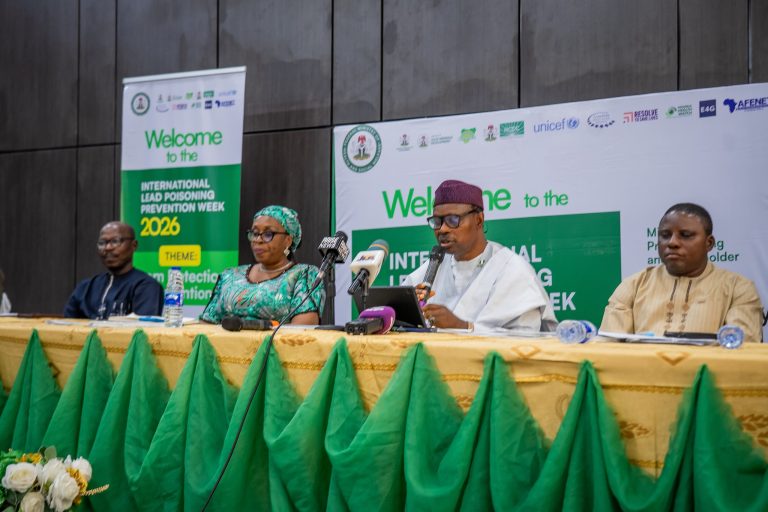
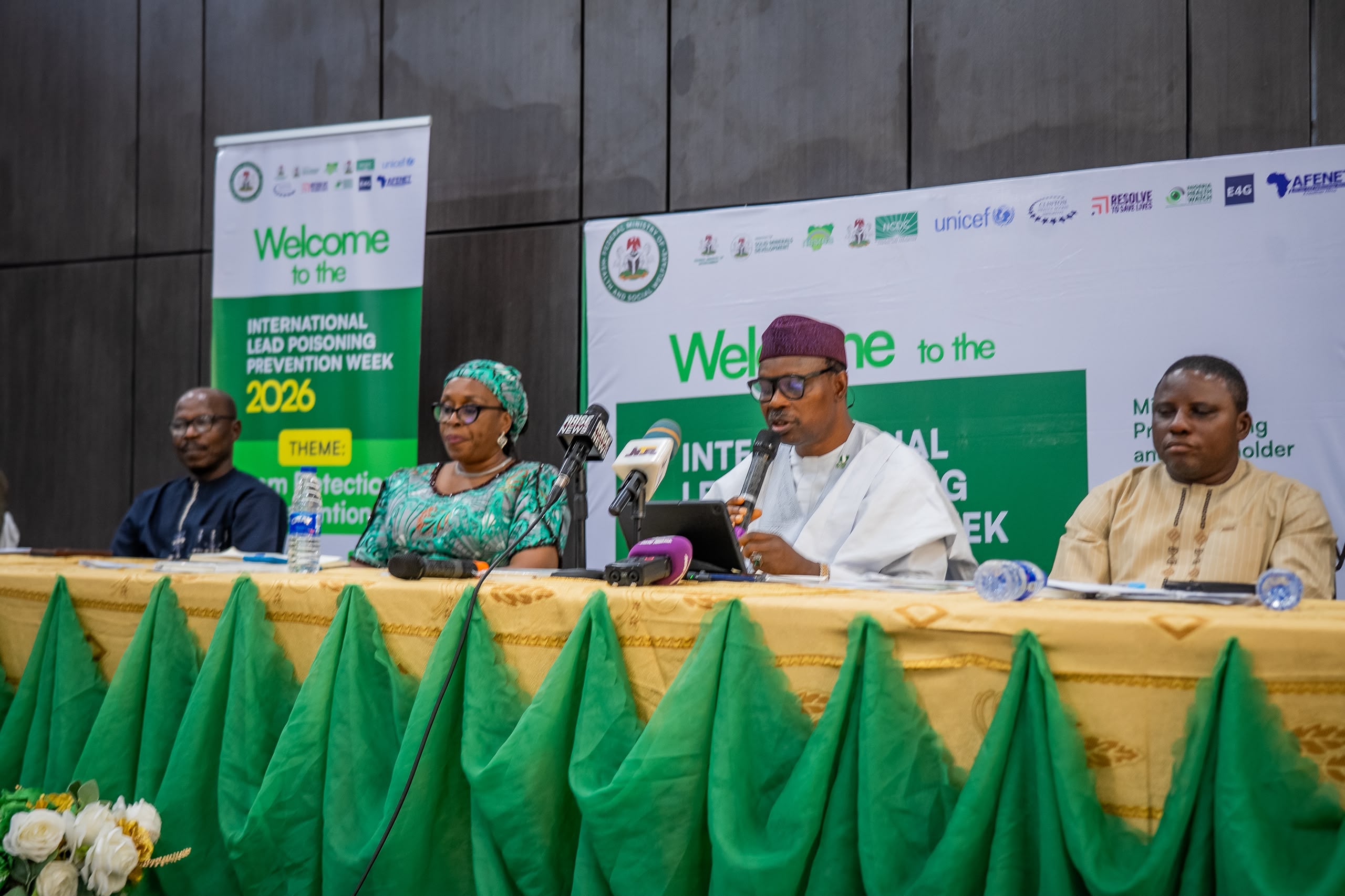
The Minister of State for Health and Social Welfare, Dr. Iziaq Adekunle Salako, announced the initiative in Abuja on Wednesday, October 21, 2026, during the commemoration of the 2026 International Lead Poisoning Prevention Week, themed “From Detection to Prevention.”
Salako described lead poisoning as a major public health and environmental concern, particularly for children, pregnant women and women of childbearing age. He said the country needed to move beyond detecting cases to addressing the sources of exposure. He also highlighted the establishment of an Inter-Agency Working Group on Lead Poisoning Prevention and Elimination to strengthen coordination among government agencies and other stakeholders.
According to the minister, the strategic plan provides a national framework for improving environmental and occupational surveillance, strengthening laboratory capacity, enforcing regulations and establishing clearer referral pathways for people found to have elevated blood lead levels. The government is also developing a costed three-year roadmap to translate the plan into measurable interventions.
He identified Lagos, Ogun, Sokoto and Zamfara States as areas requiring targeted interventions based on local sources of lead exposure. Salako called for state-specific action plans, noting that Lagos could build on assessments of blood lead levels and children’s environmental health already conducted in the state.
The minister urged Nigerians to reduce exposure by avoiding contaminated soil and dust, using lead-safe products, observing safety precautions during battery recycling and painting, and keeping contaminated work clothes and footwear away from living areas. He also recommended wet-cleaning floors and children’s play areas, alongside diets rich in calcium, iron and vitamin C. He called on state governments, industries, development partners, community leaders and the media to support the implementation of the plan.
About the Author